


Dermatologist-Led Diagnostics Dermatologist-Led Diagnostics · Saravanampatti, Coimbatore
Dermoscopy & Skin Mole Check in Coimbatore
A closer look before any decision on removal — not a visual guess.
Quick Answer
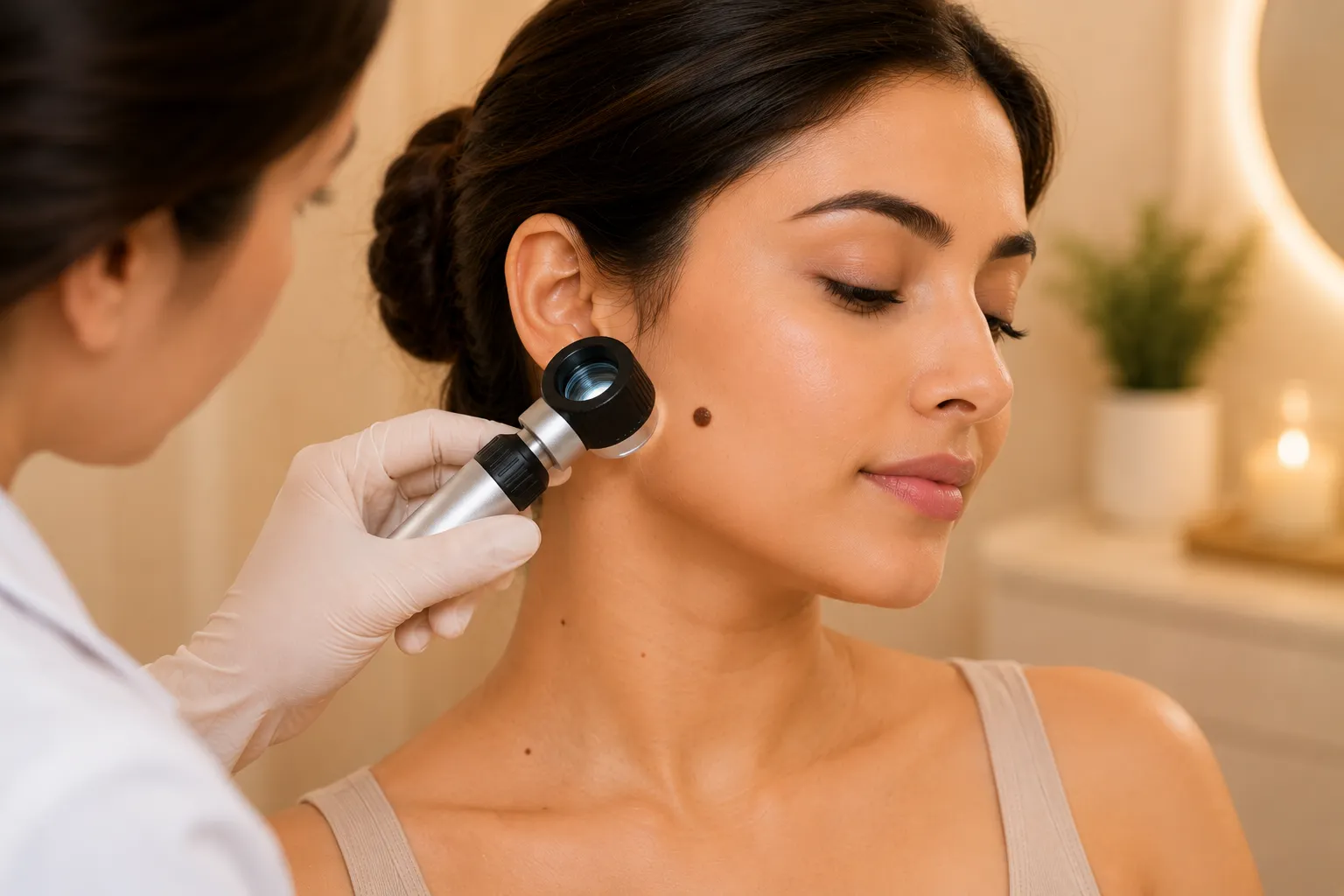
Dermoscopy is a non-invasive, magnified examination of a mole or skin growth using a handheld device (a dermatoscope) that reveals structural detail invisible to the naked eye — pigment patterns, borders, and other features that help a dermatologist assess whether a mole looks routine or needs closer attention. It takes about 10–20 minutes, causes no discomfort, and gives results the same visit.
Why Patients Choose Lashine for Mole Checks
A magnified, evidence-based assessment — not a visual glance. Here's what backs your mole check at Lashine.

Saravanampatti
Coimbatore
IADVL Certified Dermatologists
Every mole check reviewed by a qualified skin doctor.
Magnified, Evidence-Based Assessment
Not a visual glance — a structured look at pigment pattern, borders, and other features.
Hygiene-First Clinic
Medical-grade sterilization for every procedure.
Saravanampatti, Coimbatore
Easy access and flexible slots for a diagnostic-only visit.
One visit. A real answer on the mole you're concerned about.
Bring your concern to Lashine Skin & Hair Clinic, Saravanampatti, Coimbatore.
What Is Dermoscopy / Skin Mole Check?
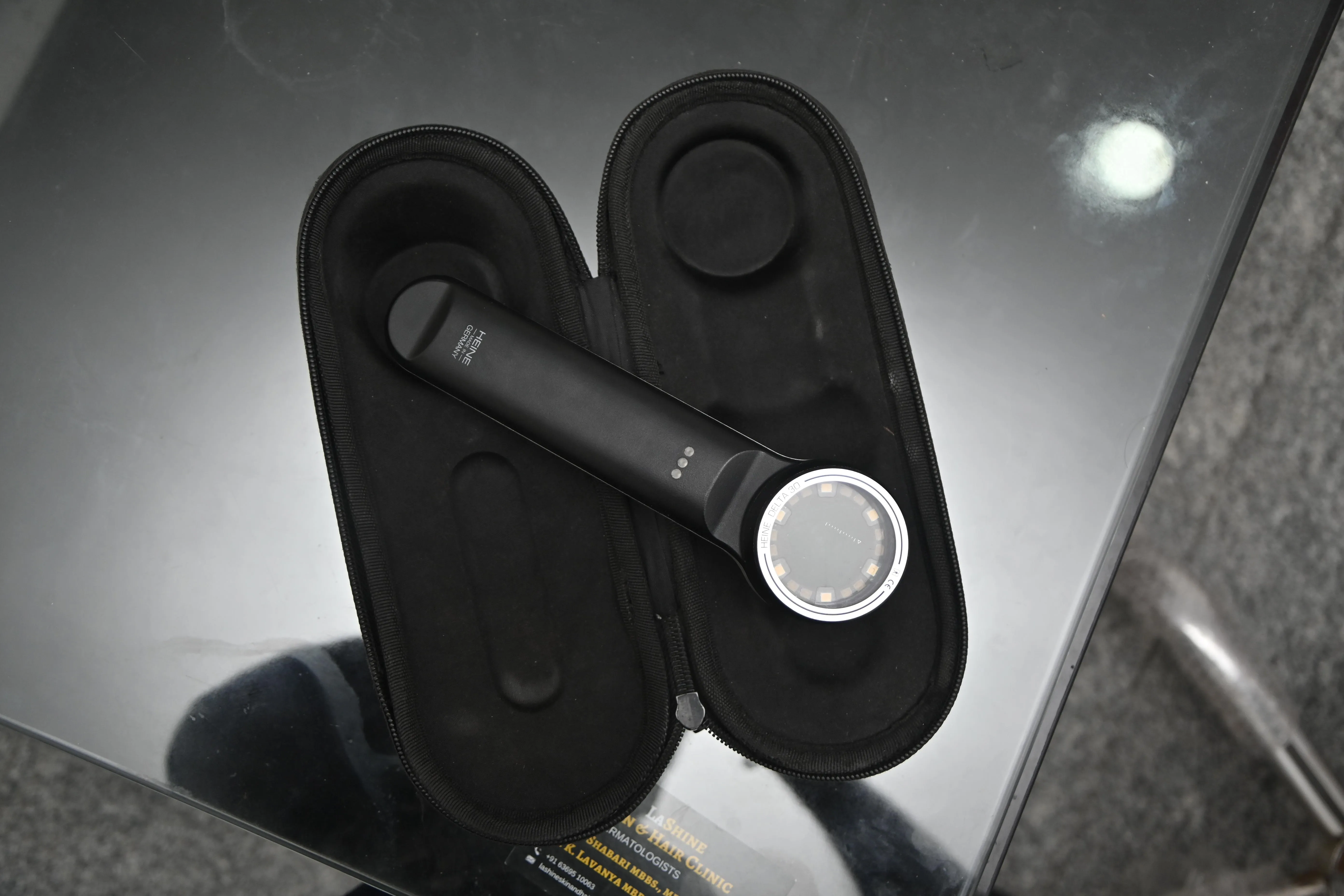
Dermoscopy is a non-invasive examination that uses a handheld magnifying device called a dermatoscope, often with polarized light, to look beneath the surface of a mole or skin growth. It reveals structural features — pigment network patterns, border characteristics, colour distribution, and other details — that aren't visible during an ordinary visual check.
It's important to be clear about what dermoscopy is and isn't: it's a screening and assessment tool, not a laboratory diagnosis. What it does very effectively is help a dermatologist decide whether a mole looks routine, should be monitored over time, or shows features that warrant a biopsy for a definitive answer. At Lashine, dermoscopy is the standard first step for any mole a patient is concerned about, and it's what typically determines whether Skin Biopsy or straightforward Mole Removal is the right next step.
Dermoscopy is not the same as a Skin Biopsy — dermoscopy is a non-invasive, magnified visual examination; biopsy involves taking a small tissue sample for laboratory analysis. Dermoscopy often determines whether a biopsy is actually needed in the first place.
Who Is It Suitable For?
A mole that looks unusual, has changed recently, or simply needs a professional opinion — this examination fits anyone who wants an actual look before any decision gets made.
Considering Removal? Get It Assessed First.
Patients considering Mole Removal want the mole properly assessed first, not removed on request alone — this examination is that step.
Unusual or Changed Moles
A mole that looks unusual, or has changed in size, shape, or colour recently
Family History of Skin Cancer
Wanting a baseline mole check
Considering Removal
Wanting the mole properly assessed first, not removed on request alone
Multiple Moles
Wanting a general skin check rather than focusing on one specific spot
Who Should Be Cautious, or Know the Limits
Does Not Replace a Biopsy
If a mole shows concerning features, a tissue sample is still needed for a definitive diagnosis.
A Reassuring Result Isn’t an Absolute Guarantee
Moles that change over time should still be re-checked, not assumed permanently cleared.
Not a Substitute for Self-Checks Between Visits
Dermoscopy examines what’s visible at the skin’s surface layer and just beneath it — it’s an assessment tool, not ongoing monitoring on its own.
Not a Treatment in Itself
If removal is recommended, that’s a separate procedure planned afterward.
No On-the-Spot "Cancerous / Not Cancerous" Verdict
A firm answer, when needed, comes from biopsy results, not the dermoscopy exam alone.
How a Dermoscopy Examination Works, Step by Step.
A four-step process at Lashine — from discussing your concern to a magnified examination, assessment, and a plain-terms recommendation for what comes next.
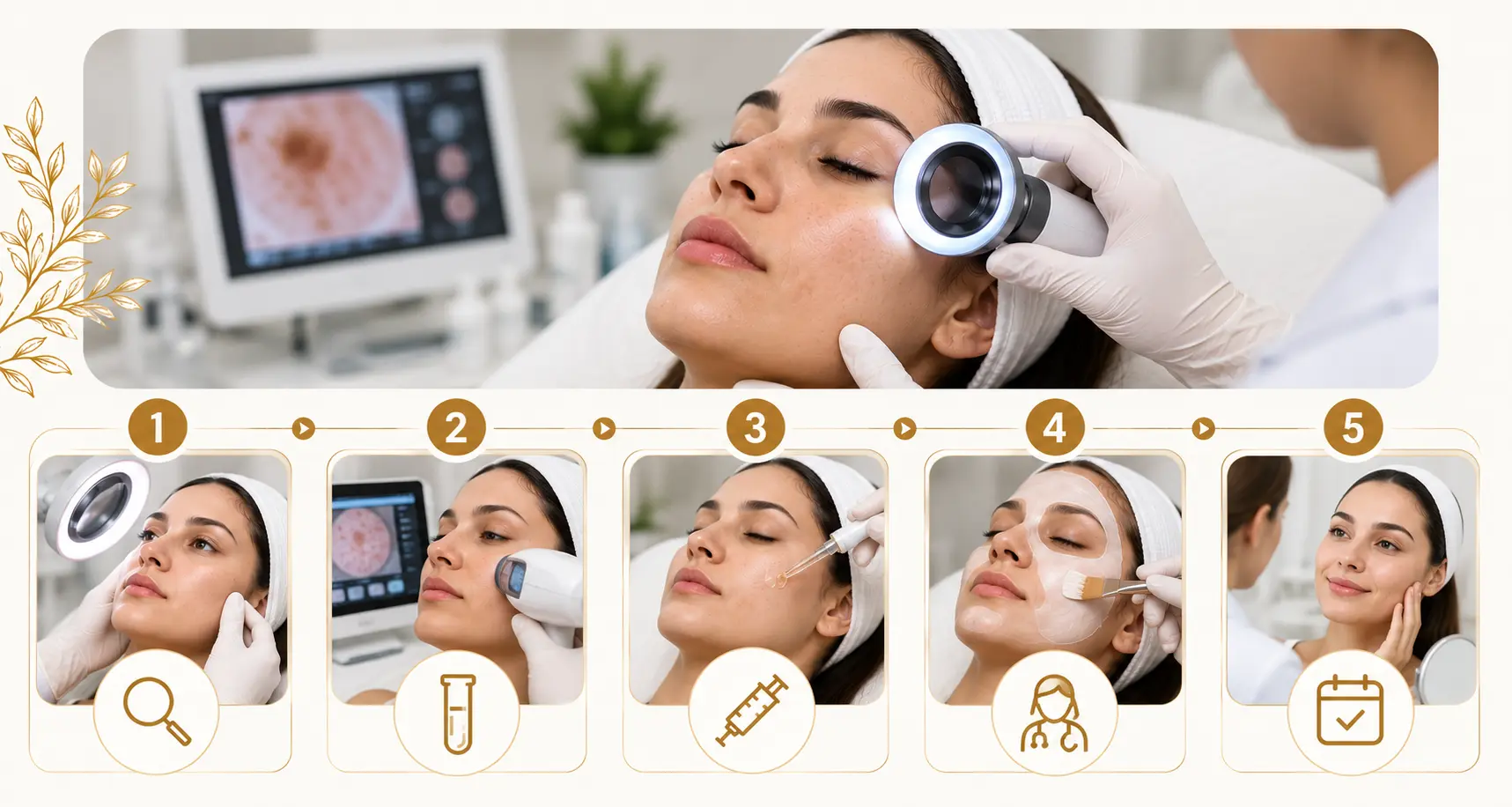
Discussing Your Concern
Your dermatologist asks about the mole’s history — how long it’s been there, any recent changes, and why you’re concerned, if you are.
Magnified Examination
The dermatoscope is placed against the skin to examine the mole under magnification and polarized light, looking at structure, borders, and pigment pattern.
Assessment
Findings are assessed against recognized features that distinguish routine moles from ones that need closer attention.
Results, in Plain Terms
Your dermatologist explains what the examination showed and what it means for the mole in front of you — not a pass/fail verdict with no context.
Next Step Recommendation
Based on the findings, you’re advised to either monitor the mole, proceed with straightforward Mole Removal, or move to Skin Biopsy for a definitive answer.
The full examination takes 10–20 minutes, with results explained the same visit.
What to Expect, At a Glance
A quick reference for how a dermoscopy visit unfolds — book a consultation if you have a mole you'd like examined.
Time Required
10–20 minutes
Downtime
None — non-invasive examination
Results
Available immediately, explained the same visit
Typically Leads To
Mole Removal, Skin Biopsy, or a monitoring schedule, depending on findings
What Happens After Your Results.
Whichever direction your findings point, there's no need to repeat this examination elsewhere — the same findings inform the next appointment directly.

Same findings, next step decided.
Looks Routine
Your dermatologist may simply recommend periodic self-checks or a future re-examination if anything changes.
Shows Features That Warrant Closer Attention
The next step is usually Skin Biopsy for a definitive diagnosis.
Bothersome but Not Concerning
If the mole is cosmetically or physically bothersome but shows no concerning features, straightforward Mole Removal can often proceed on that basis.
After Your Examination.
There's genuinely nothing to do afterward — it's a look, not a procedure, so no recovery time applies.

No downtime, nothing to recover from.
Nothing to Do Afterward
It’s a look, not a procedure, so no recovery time applies.
If Monitoring Is Recommended, Keep a Simple Record
A note or photo, with consent, of the mole’s appearance makes any future change easier to identify.
Separate Aftercare Applies If Referred Onward
If you’re referred for biopsy or removal, aftercare guidance for that specific procedure will be provided separately.
Continue Routine Self-Checks Between Visits
Dermoscopy is a snapshot at one point in time, not ongoing monitoring on its own.
Questions Before Booking?
Our team can talk you through what to expect at your visit.
Diagnostic Care. Explained Plainly.
Every mole check at Lashine is examined and explained by a qualified dermatologist, so the decision between monitoring, removal, or biopsy is based on what's actually there — not a visual guess.

Dr. Shabari A, MBBS, MD DVL
Dermatologist & Cosmetologist
Completed her MBBS and MD in Dermatology, Venereology & Leprosy, with 9 years of overall experience in dermoscopy and skin lesion assessment.
A mole can look completely ordinary or genuinely concerning to the naked eye, and neither impression is reliable on its own. My job with dermoscopy is to look at the structure that's actually there, and explain plainly what it means for the mole in front of me.
MBBS, MD DVL
Dermatology, Venereology & Leprosy
9 Years
Overall Clinical Experience
Specialized In
Dermoscopy & Skin Lesion Assessment
Evidence-Based
Magnified, Structured Assessment
Patient-First
Plain-Terms Results, Same Visit

Dr. Lavanya Kavimani, MBBS
Dermatology Care, IADVL Member
Completed her MBBS at Tbilisi State Medical University in 2018, and is a registered member of the Indian Association of Dermatologists, Venereologists and Leprologists (IADVL).
Dermoscopy isn't a biopsy, and I'm careful to explain that distinction clearly — it's the assessment step that helps decide whether a biopsy is actually needed, not a diagnosis on its own.
MBBS
Tbilisi State Medical University, 2018
Registration
134837 — Tamil Nadu Medical Council, 2019
IADVL Member
Indian Association of Dermatologists, Venereologists & Leprologists
Specialized In
Dermoscopy & Mole Assessment
Patient-First
Approach with Personalised Care
Frequently Asked Questions
Your questions about dermoscopy and mole checks, answered by our experts. Clear, precise answers.
Still Have Questions?
Speak to our dermatologist and get a straightforward answer on your mole.
Book a ConsultationDermatologist Supervised Medical-Grade Care
Dermoscopy is a non-invasive, magnified examination of a mole or skin growth using a handheld device that reveals structural detail not visible to the naked eye, helping a dermatologist assess whether it looks routine or needs closer attention.
You can't reliably tell from a visual check alone — dermoscopy examines features beneath the surface that indicate whether a mole warrants monitoring, removal, or biopsy. If a mole has changed in size, shape, or colour, it's worth having examined rather than assessed by eye.
No. Dermoscopy is a non-invasive, magnified visual examination, while a Skin Biopsy involves taking a small tissue sample for laboratory analysis. Dermoscopy often determines whether a biopsy is actually needed in the first place.
No. It's a non-invasive examination — the dermatoscope is simply held against the skin, with no discomfort involved.
This depends on your personal and family history. Anyone with a new or changing mole should have it checked promptly; patients with a family history of skin cancer or many moles often benefit from a periodic baseline check, which your dermatologist can advise on.
Dermoscopy assesses structural features such as pigment pattern, border regularity, colour distribution, and symmetry — characteristics that help distinguish routine moles from ones that need a biopsy for a definitive answer.
It's usually priced per visit or scaled to how many areas need review — ask at consultation and you'll get an actual figure rather than a guess over the phone.
We're Here to Help
Have a mole you're not sure about? Book a mole check with our dermatologist today.
Related Treatments
Explore other ways we treat diagnostics alongside Dermoscopy (Skin/Mole Check).
Related Categories You May Also Need
Not sure what's going on with your skin or scalp?
Start with a full skin assessment — your dermatologist maps the right combination before recommending anything.
Have a Mole You're Not Sure About?
If you’re concerned about your skin, hair, or health, we’re here to help with expert treatment. Book a private consultation at LaShine Skin & Hair Clinic in Saravanampatti, Coimbatore. Your dermatologist can guide you through symptoms, appropriate testing, diagnosis, treatment and follow-up.
Dermoscopy / Skin Mole Check Care Across Coimbatore
Patients visit LaShine Skin & Hair Clinic in Saravanampatti from across Coimbatore for personalised Dermoscopy / Skin Mole Check and professional dermatologist-led care.
- Saravanampatti
- Vilankurichi
- Kalapatti
- Peelamedu
- Gandhipuram
- RS Puram
- Ganapathy
- Thudiyalur
- Sathy Road
- Avinashi Road
Looking for Dermoscopy / Skin Mole Check near your area? You can visit our Saravanampatti clinic and speak with the dermatologist privately.
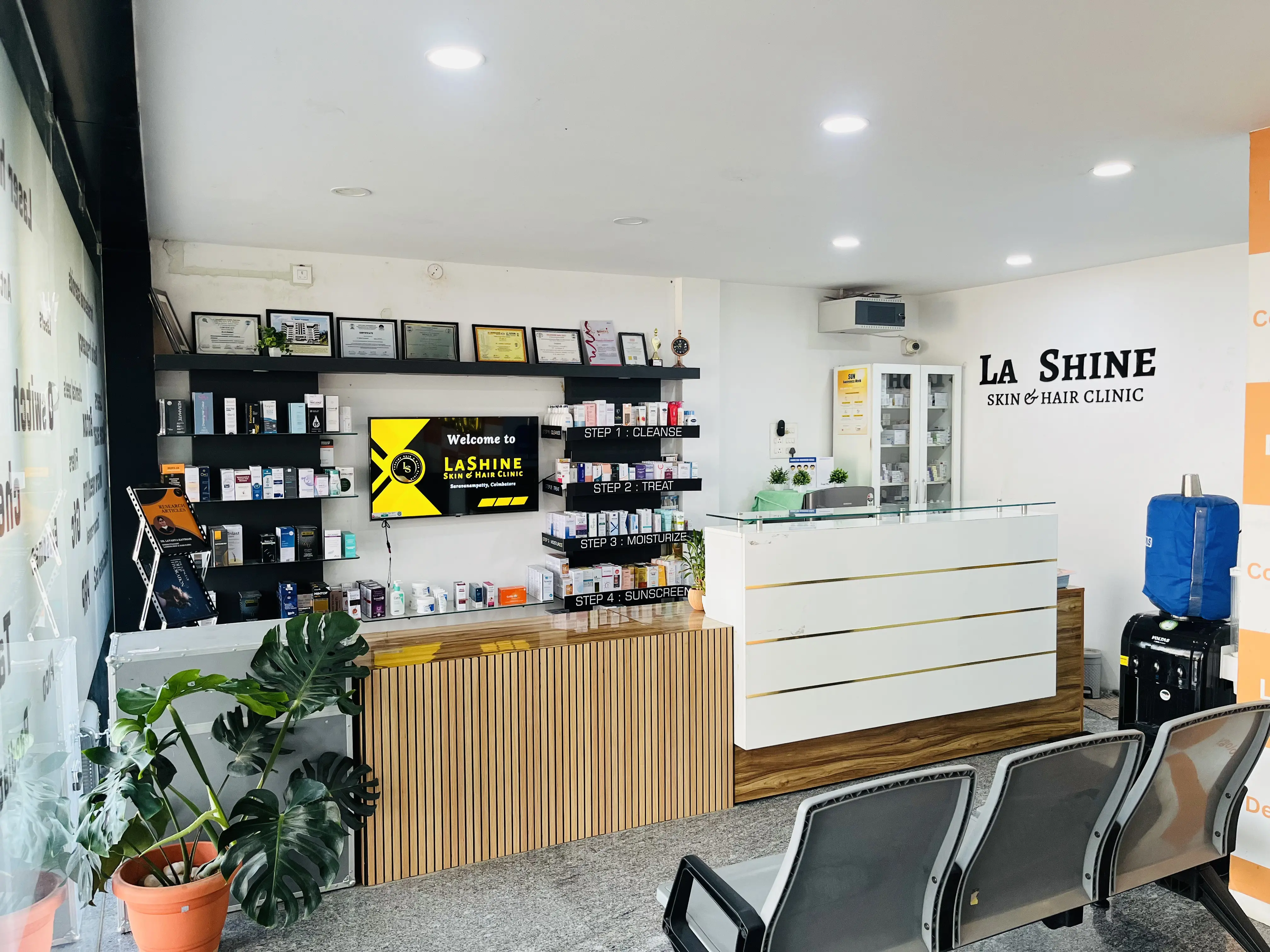
LaShine Skin & Hair Clinic
101A/3, First Floor,Sathy Rd, Amman Kovil,Saravanampatti, Coimbatore – 641035,Tamil Nadu, India
View on Google MapsYour concerns deserve private, professional care. Take the next step towards clear answers and appropriate treatment.