


Dermatologist-Led Skin Clinic Dermatologist-Led Skin Clinic · Saravanampatti, Coimbatore
Fungal Infection Treatment in Coimbatore
Accurate diagnosis and correct antifungal treatment — not a steroid cream that makes it worse.
Quick Answer
A fungal skin infection (commonly ringworm) is caused by fungal organisms and typically presents as a ring-shaped, spreading, itchy patch — it requires antifungal treatment, and using a steroid cream on it, even though skin may look temporarily better, will make the underlying infection worse and allow it to spread further. Fungal infections are contagious through direct contact and shared items (towels, clothing), and are commonly confused with bacterial infections , viral skin conditions , and scabies, each of which needs a completely different treatment.
What Is Fungal Infection Treatment?
Fungal skin infections are caused by fungal organisms that thrive in warm, moist conditions — common presentations include ringworm (a ring-shaped, spreading, itchy patch), athlete's foot, and fungal infections affecting skin folds. They're contagious, spreading through direct skin contact and shared items like towels, clothing, and footwear.
Fungal infections are one of four conditions — alongside bacterial, viral, and scabies infections — that patients most often confuse, since they can present with broadly similar redness, itching, or a spreading patch. Correct treatment starts with confirming the infection is genuinely fungal, then using the appropriate antifungal medication for the specific location and severity.
Do not use a steroid cream on a fungal infection. It can suppress visible inflammation temporarily while allowing the fungus to grow more freely underneath — one of the most common reasons these infections worsen or spread rather than resolve.
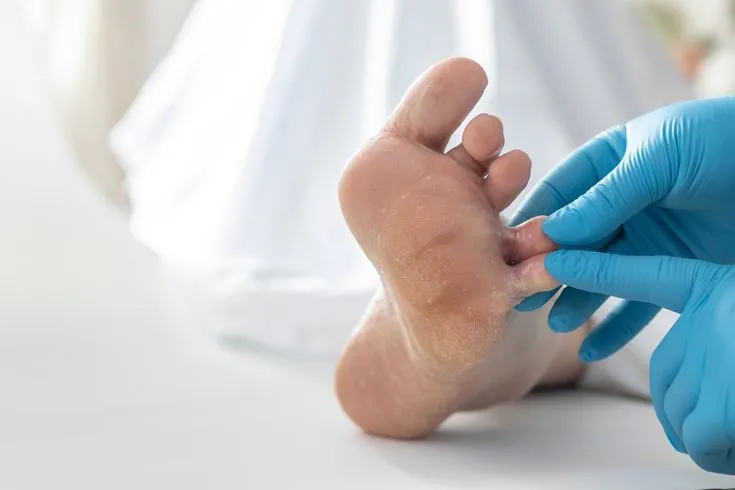
Who Is It Suitable For?
A ring-shaped, spreading, itchy patch is the classic signal — but confirming it's genuinely fungal, and not another condition entirely, is the first step of your assessment.
Not Sure If It's Fungal? Get It Confirmed First.
Fungal, bacterial, viral, and scabies infections can look alike. If you're unsure, a dermatologist examination confirms the cause before any treatment is prescribed.
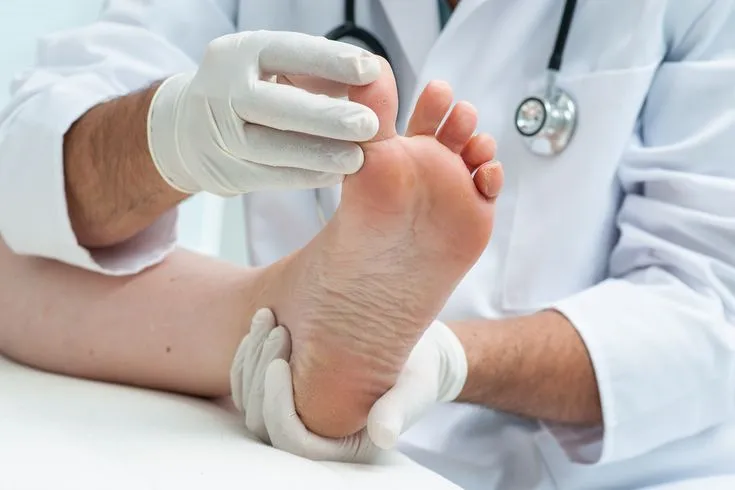
Ring-Shaped, Spreading Patch
Classic ringworm presentation, itchy and expanding outward
Athlete’s Foot or Skin-Fold Infections
Suspected fungal-pattern presentations in other areas
Worsened After Steroid Cream
Skin issue has spread or gotten worse after a steroid product
Recurring Infection
Keeps coming back after apparent resolution
Why Patients Choose LaShine for Skin Infections
The infection type is confirmed before any medication is prescribed — here's what backs every diagnosis at LaShine.

Saravanampatti
Coimbatore
IADVL Certified Dermatologists
Every infection is examined and confirmed by a qualified skin doctor before any medication is prescribed.
Correct-Cause Treatment
Fungal infections are confirmed, not assumed — so you’re treated for what’s actually there, not a guess.
Distinguished from Look-Alike Infections
Fungal, bacterial, viral, and scabies infections can look similar — each is correctly identified before treatment begins.
Hygiene-First Clinic
Medical-grade sterilization for every procedure.
One consultation. The correct diagnosis, not a guess.
Bring your concerns to LaShine Skin & Hair Clinic, Saravanampatti, Coimbatore.
Who Should Be Cautious, or Know the Limits
Steroid Cream Worsens the Infection
Using a steroid cream on a suspected fungal infection, even if it seems to help initially, typically worsens the underlying infection — this should be stopped and reassessed, not continued.
Contagious to Close Contacts
Fungal infections are contagious; close contacts and shared items (towels, clothing, bedding) may need attention alongside your own treatment to prevent reinfection.
Nail or Scalp Infections Take Longer
Certain fungal infections (particularly of the nails or scalp) require longer treatment courses than skin-surface infections — this is assessed individually.
Recurring Infections May Have an Underlying Cause
Recurring infections despite treatment may indicate an underlying factor (such as an immune or metabolic condition, or ongoing environmental exposure) that needs to be identified.
Not an Overnight Resolution
Patients expecting overnight resolution should know that while symptoms often improve within days, full clearance typically takes the full prescribed course.
How We Treat Fungal Infections, Step by Step.
A five-step approach at LaShine — from confirming the infection is genuinely fungal to correct antifungal treatment, stopping any incorrect prior treatment, and follow-up to confirm full resolution.
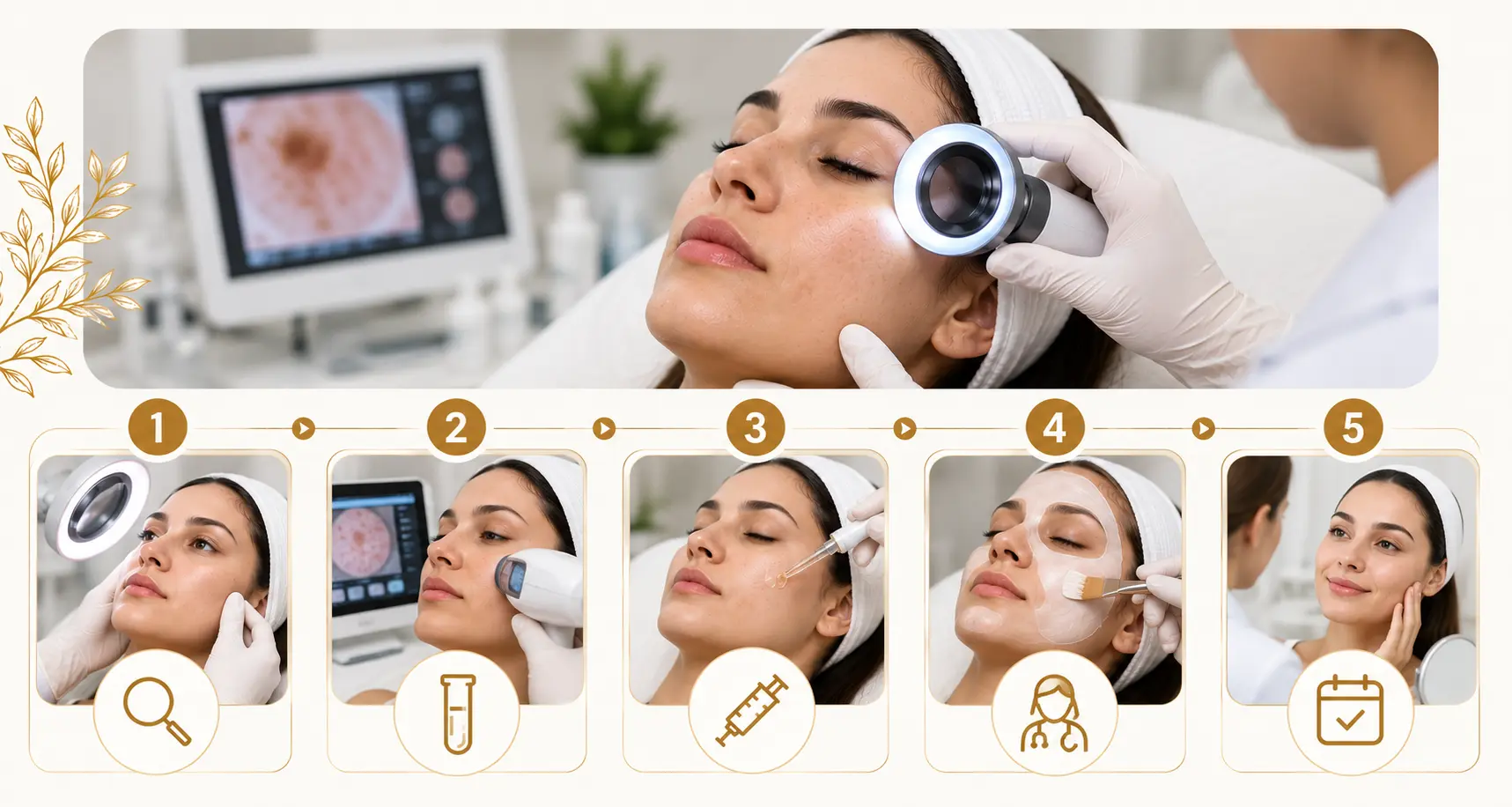
Clinical Examination & Confirmation
Your dermatologist examines the presentation and confirms the infection is fungal rather than bacterial, viral, or another condition, since the visible pattern alone isn’t always sufficient — additional testing may be used where needed.
Correct Antifungal Treatment
Topical or, for more extensive or resistant infections, oral antifungal medication is prescribed based on the infection’s location and severity.
Stop Any Incorrect Prior Treatment
If a steroid cream or other inappropriate product has been used, this is stopped as part of correcting the treatment course.
Household & Contact Guidance
Where relevant, guidance is given on managing shared items and close contacts to reduce reinfection risk.
Follow-Up to Confirm Resolution
A follow-up review confirms the infection has fully cleared, since stopping treatment early — even when symptoms improve — is a common cause of recurrence.
A full antifungal course commonly runs several weeks, depending on location and severity — completing it matters even after symptoms improve.
What to Expect, At a Glance
A quick reference for how fungal infection treatment unfolds — book a consultation to confirm your diagnosis and get the correct antifungal plan.
Typical Course
Full antifungal course, commonly several weeks depending on location and severity
Downtime
None
Best For
Confirmed fungal skin infections, including ringworm, athlete’s foot, and skin-fold fungal infections
Not a Fit For
Infections not yet confirmed as fungal — see Bacterial or Viral Skin Infection Treatment if the cause is different
Realistic Results & Timeline.
With correct antifungal treatment, symptoms typically begin improving within 1–3 weeks — but completing the full course matters more here than for many other conditions.

Improvement begins, 1–3 weeks in.
Early Improvement — 1 to 3 Weeks
With correct antifungal treatment, symptoms typically begin improving within 1–3 weeks of starting the prescribed course.
Full Resolution Depends on Location & Severity
The complete resolution timeline depends on the specific infection, its location, and how extensive it was at the start of treatment.
Complete the Full Prescribed Course
Completing the full course — even after visible symptoms have settled — matters more for fungal infections than for many other conditions, since stopping early is a common reason it returns.
Follow-Up Confirms Full Clearance
A follow-up review confirms resolution rather than assuming it once symptoms have improved.
Complete the Course, Prevent Reinfection.
A few consistent habits between reviews keep the infection from spreading, recurring, or lingering longer than it should.

Complete the course, prevent recurrence.
Complete the Full Course
Complete the full course of prescribed antifungal treatment, even once symptoms improve — stopping early is a common cause of recurrence.
Keep the Area Clean & Dry
Fungal organisms thrive in warm, moist conditions — keeping the affected area clean and dry supports treatment.
Don't Share Towels, Clothing, or Footwear
Avoid sharing these items during treatment, and wash them regularly to reduce reinfection risk.
Never Apply a Steroid Cream
Whether leftover from a previous prescription or a family member’s, a steroid cream is one of the most common causes of worsening or prolonged infection.
Report Spreading or Non-Improvement Early
Report any spreading, worsening, or lack of improvement partway through treatment rather than waiting until the course is finished.
Questions About Aftercare?
Our team will walk you through exactly what to do for the rest of your course.
Expert Care. Confirmed Before Treated.
Every skin infection at LaShine is examined and confirmed by a qualified dermatologist before treatment begins, so you're prescribed the correct antifungal medication — not a guess based on appearance alone.

Dr. Shabari A, MBBS, MD DVL
Dermatologist & Cosmetologist
Completed her MBBS and MD in Dermatology, Venereology & Leprosy, with 9 years of overall experience diagnosing and treating skin infections.
A steroid cream can make a fungal infection look better within days while the infection itself spreads underneath. Confirming the cause before treating isn't extra caution — it's the difference between clearing it and making it worse.
MBBS, MD DVL
Dermatology, Venereology & Leprosy
9 Years
Overall Clinical Experience
Specialized In
Skin Infection Diagnosis & Treatment
Evidence-Based
Correct-Cause, Not Guesswork
Patient-First
Personalised, Long-Term Care

Dr. Lavanya Kavimani, MBBS
Dermatology Care, IADVL Member
Completed her MBBS at Tbilisi State Medical University in 2018, and is a registered member of the Indian Association of Dermatologists, Venereologists and Leprologists (IADVL).
Fungal, bacterial, viral, and scabies infections can look almost identical to the untrained eye. Getting the diagnosis right the first time means patients start correct treatment sooner, instead of cycling through the wrong creams.
MBBS
Tbilisi State Medical University, 2018
Registration
134837 — Tamil Nadu Medical Council, 2019
IADVL Member
Indian Association of Dermatologists, Venereologists & Leprologists
Specialized In
Fungal & Other Skin Infection Management
Patient-First
Approach with Personalised Care
Stop using over-the-counter creams for fungal infections.Get safe, targeted relief with proper dermatological care.
Watch LaShine Skin Hair explain why self-prescribed steroid creams worsen fungal infections and how to treat them safely.

- Avoid Unsafe Steroid Creams
- Prevent Rebound Infection
- Proper Medical Diagnosis
- Targeted Anti-Fungal Plan

Dr . Lavanya kavimaniDermatologist
Frequently Asked Questions
Your questions about fungal infection treatment, answered by our experts. Clear answers. Real guidance.
Still Have Questions?
Speak to our dermatologist and get an accurate diagnosis, not a guess.
Book a ConsultationDermatologist Supervised Medical-Grade Care
A fungal infection like ringworm typically presents as a ring-shaped, spreading, itchy patch that often worsens with steroid cream rather than improving. Because bacterial, viral, and scabies infections can look similar, a dermatologist examination is the reliable way to confirm the cause rather than appearance alone.
No. A steroid cream can make a fungal infection look temporarily better while actually allowing it to spread and worsen underneath. If you’ve already used one, stop and see a dermatologist for correct antifungal treatment.
Yes. Fungal infections spread through direct skin contact and shared items like towels, clothing, and footwear, so close contacts and shared items often need attention alongside your own treatment.
Symptoms typically begin improving within 1–3 weeks of starting correct treatment, though full resolution depends on the infection’s location and severity — the full prescribed course should be completed even after symptoms improve.
Fungal infections are caused by a fungal organism and typically spread outward in a ring pattern, worsening with steroid cream. Eczema & Dermatitis is an inflammatory/allergic condition, not an infection, and is managed very differently — a dermatologist examination distinguishes between the two when the presentation is unclear.
Common reasons include stopping treatment before the full course is complete, reinfection from shared items or close contacts, or an underlying factor affecting susceptibility to infection — your dermatologist will investigate recurring cases rather than simply repeating the same short course.
It comes down to where the infection is, how severe it’s gotten, and whether it needs topical or oral antifungal medication — your dermatologist will give you an actual figure once they’ve examined it, not before.
We're Here to Help
Suspect a fungal infection, or not sure what it is? Book a consultation with our dermatologist today.
Related Treatments
Explore other ways we treat clinical dermatology alongside Fungal Infection Treatment.
Related Categories You May Also Need
Not sure what's causing your skin condition?
Start with a full skin assessment — your dermatologist maps the right combination before recommending anything.
Suspect a Fungal Skin Infection — or Not Sure What It Is?
If you’re concerned about your skin, hair, or health, we’re here to help with expert treatment. Book a private consultation at LaShine Skin & Hair Clinic in Saravanampatti, Coimbatore. Your dermatologist can guide you through symptoms, appropriate testing, diagnosis, treatment and follow-up.
Fungal Infection Treatment Care Across Coimbatore
Patients visit LaShine Skin & Hair Clinic in Saravanampatti from across Coimbatore for personalised Fungal Infection Treatment and professional dermatologist-led care.
- Saravanampatti
- Vilankurichi
- Kalapatti
- Peelamedu
- Gandhipuram
- RS Puram
- Ganapathy
- Thudiyalur
- Sathy Road
- Avinashi Road
Looking for Fungal Infection Treatment near your area? You can visit our Saravanampatti clinic and speak with the dermatologist privately.

LaShine Skin & Hair Clinic
101A/3, First Floor,Sathy Rd, Amman Kovil,Saravanampatti, Coimbatore – 641035,Tamil Nadu, India
View on Google MapsYour concerns deserve private, professional care. Take the next step towards clear answers and appropriate treatment.