

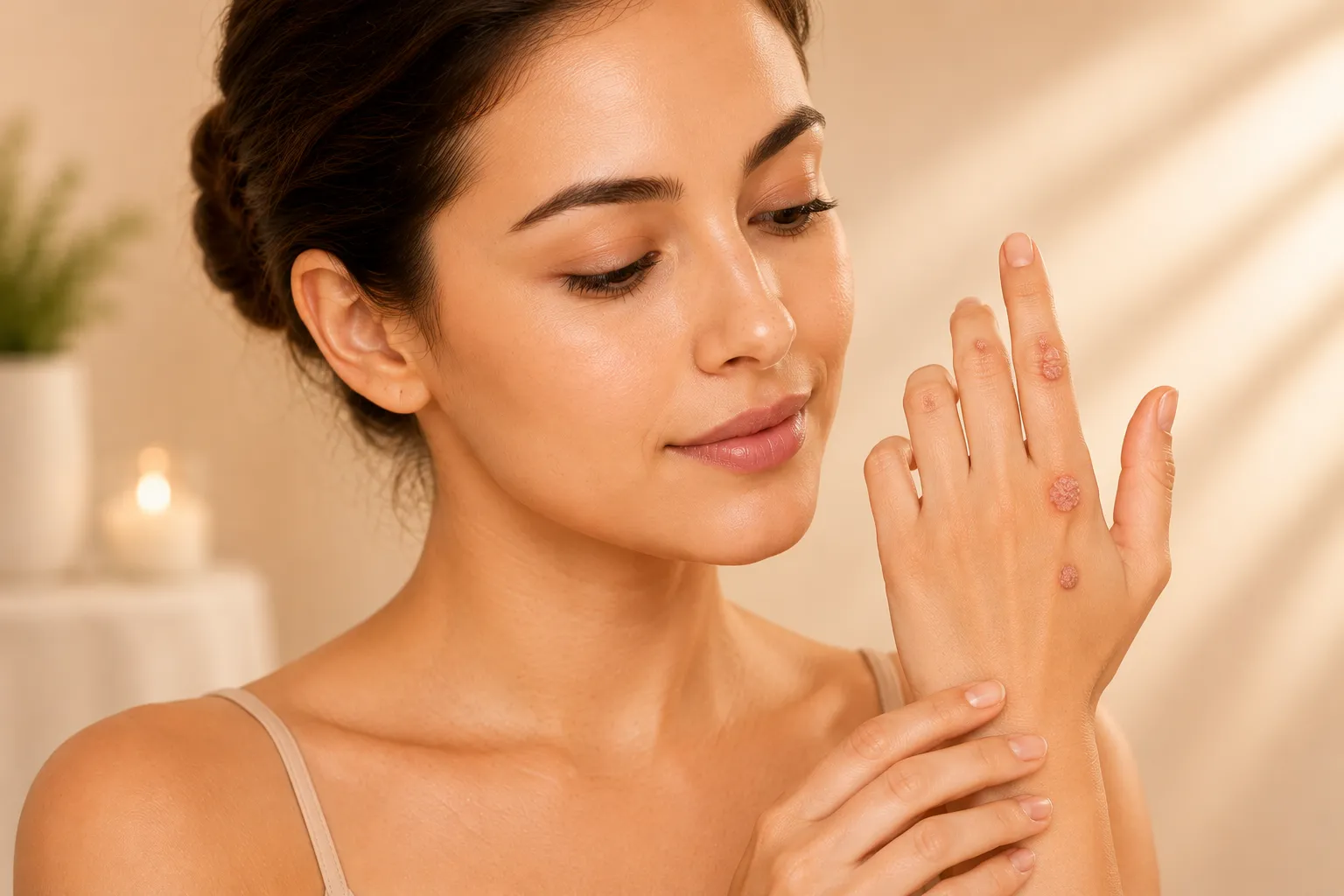
Dermatologist-Led Skin Clinic Dermatologist-Led Skin Clinic · Saravanampatti, Coimbatore
Wart Removal in Coimbatore
Removal for viral, textured skin growths — with an honest expectation upfront that some warts need more than one session, or can recur.
Quick Answer
Wart removal at LaShine Skin & Hair Clinic, Saravanampatti, Coimbatore treats viral (HPV) skin growths using electrocautery or other techniques suited to the wart's size and location. Most warts need 1–3 sessions, with mild downtime of a few days per session.
Why Patients Choose LaShine for Wart Removal
An honest recurrence conversation upfront, not a guaranteed-permanent sales pitch. Here's what backs your wart removal plan at LaShine.

Saravanampatti
Coimbatore
IADVL Certified Dermatologists
Technique chosen for your specific wart, not a one-method-fits-all approach.
Honest Recurrence Guidance
Told upfront that warts can return, since they’re viral — not oversold as a guaranteed permanent fix.
Multiple Techniques Available
Electrocautery and other options depending on your case — plantar, facial, or resistant warts included.
Hygiene-First Clinic
Medical-grade sterilization for every procedure.
One consultation. The right technique for your specific wart.
Bring your concerns to LaShine Skin & Hair Clinic, Saravanampatti, Coimbatore.
What Is Wart Removal?
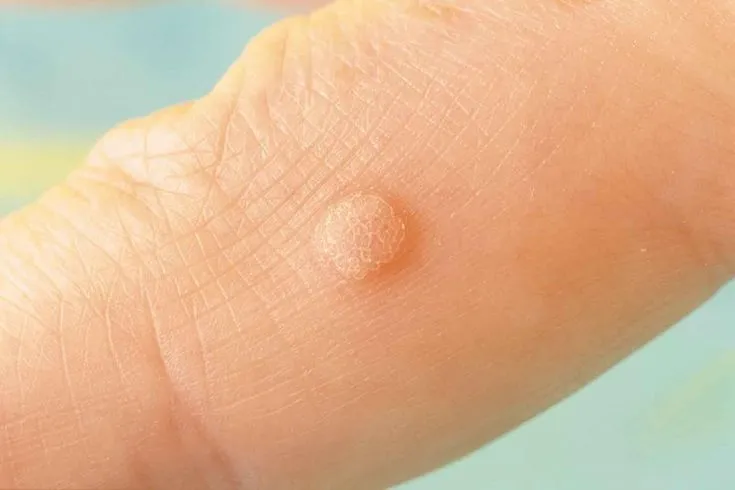
A wart is a rough, textured skin growth caused by the human papillomavirus (HPV) infecting the outer layer of skin — this viral origin is what distinguishes it from a skin tag or mole, and why warts can sometimes spread to nearby skin or recur after treatment. Common signs include a rough surface, sometimes with small dark dots (tiny clotted blood vessels) visible within it.
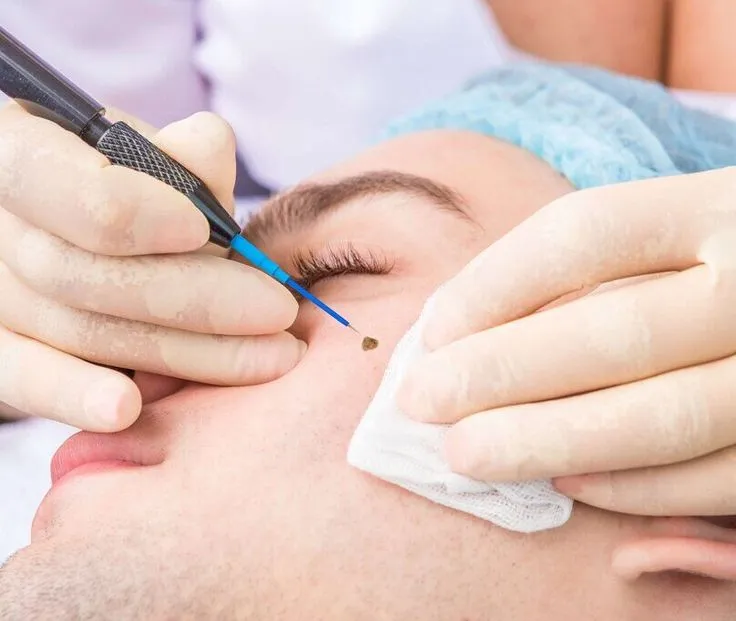
At LaShine, wart removal most often uses electrocautery, which removes the growth and seals the treated area in the same step, though your dermatologist may recommend a different or combined approach depending on the wart's size, location, and whether it's been resistant to prior treatment elsewhere.
A wart isn't the same as a skin tag — the underlying cause is completely different. A wart comes from HPV living in the skin, which is why it behaves and needs to be treated differently from a simple friction-formed growth.
Who Is It Suitable For?
Rough, textured, firm-feeling growths — not soft, stalked skin tags — are the core signal that this page is the right fit. Your assessment confirms what you actually have before treatment.
Soft & Moves Freely on a Stalk? That's Likely a Tag.
If your growth feels soft and moves freely rather than firm and fixed, it may be a skin tag rather than a wart. See Skin Tag Removal for that comparison from the tag's perspective.
Rough, Textured Growth
Firm, fixed-feeling skin growth wanting assessment and removal
Spread, Multiplied, or Resistant
Warts that haven’t responded to over-the-counter treatments
Plantar Warts Causing Discomfort
On the sole of the foot, affecting walking
Wants Honest Recurrence Guidance
Not a guaranteed-permanent sales pitch, but a realistic view
Who Should Be Cautious, or Know the Limits
Recurrence Is a Real Possibility
Because warts are viral, recurrence is possible even after apparently complete removal — this is inherent to the condition, not a sign of a poorly performed procedure.
Don’t Pick or Shave Over Warts at Home
Warts can spread to surrounding skin if picked at or shaved over — professional removal, not DIY treatment, reduces this risk.
Some Warts Genuinely Need More Than One Session
Particularly plantar or long-standing warts — this is set as a realistic expectation at your first visit, not a surprise partway through treatment.
Location Affects Technique Selection
Warts around nails, on the face, or on the soles of the feet need more careful technique selection, which your dermatologist accounts for during assessment.
How We Treat Warts, Step by Step.
A five-step approach at LaShine — from assessment and technique selection to comfortable removal and honest recurrence monitoring afterward.
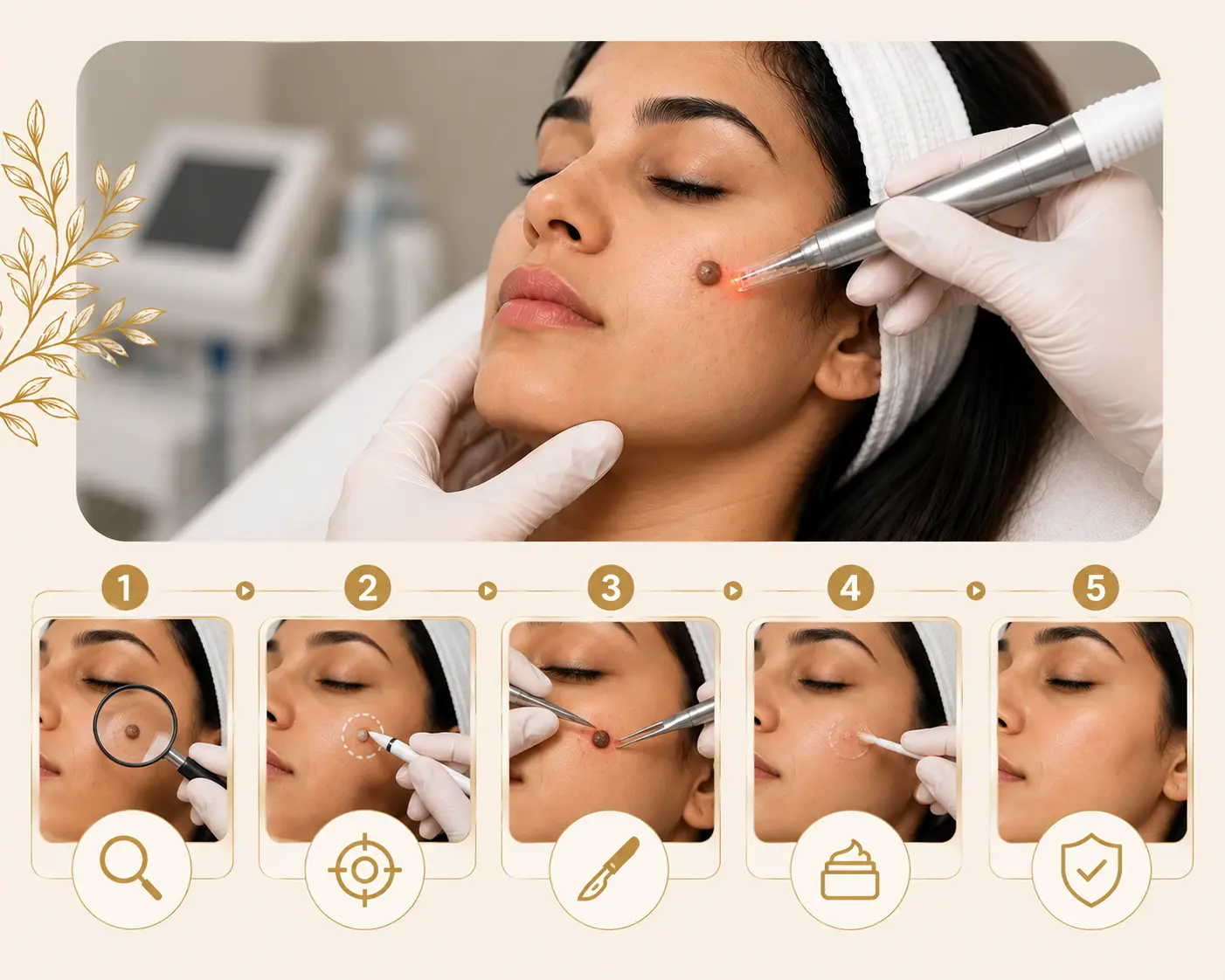
Assessment
Your dermatologist examines the wart’s location, size, and how long it’s been present, and asks about any prior treatment (especially if it’s recurred after previous removal elsewhere).
Technique Selection
Electrocautery is the most common approach, though your dermatologist may recommend a different or combined technique for stubborn, large, or awkwardly located warts.
Numbing
Local anesthetic is applied to keep the removal comfortable, particularly important for sensitive areas like the soles of the feet.
Removal
The wart is removed using the chosen technique, with attention to fully addressing the affected tissue to reduce recurrence risk as much as possible.
Review & Recurrence Monitoring
A follow-up checks healing and watches for any sign of the wart returning or new ones appearing nearby, since early re-treatment is easier than waiting for a wart to re-establish itself.
Most warts need 1–3 sessions — set as a realistic expectation upfront, not a surprise mid-treatment.
What to Expect, At a Glance
A quick, honest reference for what wart removal involves — book a consultation for an assessment specific to your wart.
Typical Course
1–3 sessions
Downtime
Mild — a few days of healing per session
Best For
Viral, textured skin growths
Not a Fit For
Anyone expecting a guaranteed, one-session, permanent result — recurrence is a genuine possibility given the wart’s viral nature
Realistic Results & Timeline.
Because warts are caused by a virus rather than simply being physical tissue, "removed" doesn't carry the same permanence guarantee as removing a skin tag.

Visible removal same day, healing over days.
Visible Removal — Same Day
Most warts are visibly removed at the end of the treatment session, with the treated area healing over the following few days.
Additional Sessions If Needed
For warts that need more than one session — often larger, longer-standing, or plantar warts — your dermatologist plans the spacing based on how the area is healing and responding.
No Absolute Permanence Guarantee
Because warts are caused by a virus rather than simply being physical tissue, "removed" doesn’t carry the same permanence guarantee as removing a skin tag.
Periodic Monitoring & Prompt Re-Treatment
Periodic monitoring and prompt re-treatment if something returns is the realistic, practical approach.
Help It Heal Well — and Not Spread.
Because warts are viral, a few careful habits after treatment matter more here than after most other removal procedures.

Careful healing, lower recurrence risk.
Keep It Clean, Don’t Pick at Scabs
Disturbing healing skin can both slow recovery and risk spreading the virus to nearby skin.
Follow Footwear Advice for Plantar Warts
Ongoing pressure on the area can affect healing and recurrence, so follow any specific footwear or pressure-reduction advice given.
Avoid Sharing Towels, Razors, or Footwear
HPV can spread through direct contact with affected skin while the area is healing.
Report Any Sign of Return Promptly
Report any sign of the wart returning or new growths appearing nearby promptly, rather than waiting for a routine follow-up.
Questions About Aftercare?
Our team will walk you through exactly what to watch for while it heals.
Expert Care. Honest About Recurrence.
Every wart removal at LaShine is performed by a qualified dermatologist who explains recurrence risk upfront, so you know what to expect — not a guaranteed one-visit promise.

Dr. Shabari A, MBBS, MD DVL
Dermatologist & Cosmetologist
Completed her MBBS and MD in Dermatology, Venereology & Leprosy, with 9 years of overall experience in wart removal and viral skin conditions.
Warts are viral, not just a physical growth — I tell every patient that upfront, because recurrence isn't a sign we did something wrong. Honest expectations lead to better follow-through on aftercare and monitoring.
MBBS, MD DVL
Dermatology, Venereology & Leprosy
9 Years
Overall Clinical Experience
Specialized In
Wart Removal & Viral Skin Conditions
Evidence-Based
Technique Matched to Wart Location
Patient-First
Honest, Realistic Guidance

Dr. Lavanya Kavimani, MBBS
Dermatology Care, IADVL Member
Completed her MBBS at Tbilisi State Medical University in 2018, and is a registered member of the Indian Association of Dermatologists, Venereologists and Leprologists (IADVL).
Plantar warts especially need the right technique for the location — thicker skin on the sole of the foot doesn't respond the same way facial skin does. Assessment before treatment matters more than people expect.
MBBS
Tbilisi State Medical University, 2018
Registration
134837 — Tamil Nadu Medical Council, 2019
IADVL Member
Indian Association of Dermatologists, Venereologists & Leprologists
Specialized In
Wart & Skin Growth Removal
Patient-First
Approach with Personalised Care
Noticing unusual skin growths or bumps?Understand Warts vs. Skin Tags and explore effective removal options.
Watch LaShine Skin Hair explain how warts differ from skin tags, how HPV-driven warts spread, and advanced clinical treatment options.

- Warts vs. Skin Tags
- HPV & Contagious Triggers
- Cryotherapy & Laser Options
- Expert Dermatological Care

Dr. Shabari ArumugamDermatologist
Frequently Asked Questions
Your questions about wart removal, answered honestly by our experts. Clear answers. Real guidance.
Still Have Questions?
Speak to our dermatologist and get an honest assessment of your wart.
Book a ConsultationDermatologist Supervised Medical-Grade Care
Pricing depends on the wart's size, location, and how many sessions are needed. Book a consultation for an accurate, current quote — we'd rather give you a real number than an estimate that doesn't match your case.
Yes, this is possible since warts are caused by a virus embedded in the skin — recurrence isn’t necessarily a sign the removal was done incorrectly. Prompt re-treatment if this happens is the practical approach.
Most warts need 1–3 sessions, though this depends on the wart’s size, location, and how it’s responded to any prior treatment.
No — the underlying cause is completely different. A wart comes from HPV living in the skin, which is why it can spread to nearby skin or return after treatment. A Skin Tag Removal page covers the tag side of this — a tag is simply extra skin formed by friction, with no infectious cause and no ability to spread. If you press gently, a wart tends to feel firmer and more fixed in place, while a tag moves freely on its stalk.
Over-the-counter options can help for some superficial warts, but stubborn, spreading, or plantar warts typically need professional treatment — and DIY methods carry a real risk of spreading the wart to surrounding skin if not done carefully.
Treatment may differ because the thicker skin on the sole of the foot and the wart’s location can influence the available treatment options. Your dermatologist assesses these factors before recommending an appropriate approach.
Your dermatologist examines the wart, asks about its history and any prior treatment, and explains which technique fits your case along with a realistic session estimate and recurrence risk.
We're Here to Help
Not sure if it’s a wart, a skin tag, or something else? Book a consultation with our dermatologist today.
Related Treatments
Explore other ways we treat removal procedures alongside Wart Removal.
Related Categories You May Also Need
Not sure if that growth needs removal?
Start with a full skin assessment — your dermatologist maps the right combination before recommending anything.
Ready to Have Your Wart Assessed and Treated?
If you’re concerned about your skin, hair, or health, we’re here to help with expert treatment. Book a private consultation at LaShine Skin & Hair Clinic in Saravanampatti, Coimbatore. Your dermatologist can guide you through symptoms, appropriate testing, diagnosis, treatment and follow-up.
Wart Removal Care Across Coimbatore
Patients visit LaShine Skin & Hair Clinic in Saravanampatti from across Coimbatore for personalised Wart Removal and professional dermatologist-led care.
- Saravanampatti
- Vilankurichi
- Kalapatti
- Peelamedu
- Gandhipuram
- RS Puram
- Ganapathy
- Thudiyalur
- Sathy Road
- Avinashi Road
Looking for Wart Removal near your area? You can visit our Saravanampatti clinic and speak with the dermatologist privately.

LaShine Skin & Hair Clinic
101A/3, First Floor,Sathy Rd, Amman Kovil,Saravanampatti, Coimbatore – 641035,Tamil Nadu, India
View on Google MapsYour concerns deserve private, professional care. Take the next step towards clear answers and appropriate treatment.